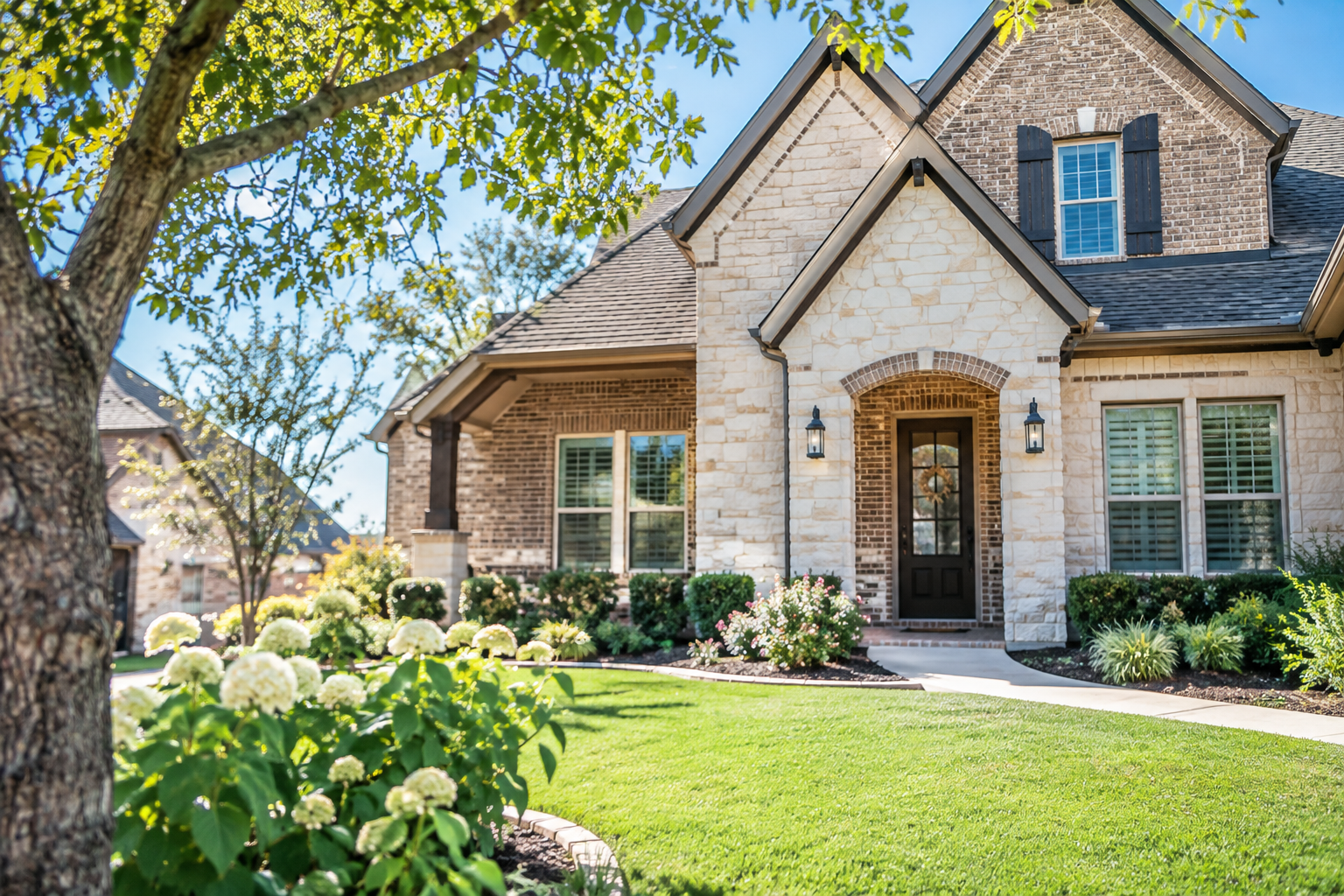


How do you time selling your home with new construction in Conroe?
Before you sell your home for a new build in Conroe, start with your lender’s requirements and the builder’s written completion terms, then choose how much overlap or temporary housing you can afford. Selling first can free up your equity but create a housing gap; buying first can avoid that gap but require more cash and financing capacity. Treat simultaneous closings as a coordinated plan with a backup, not a guarantee.
By Dr. Allie Grodzki, REALTOR® | Draft prepared November 5, 2026
You want the new home, but the down payment is sitting inside the home you own now. The builder gives you an estimated completion date, and you’re trying to decide when to list. Too early could mean moving twice. Too late could mean losing the home or carrying two payments.
The answer starts with three numbers: your conservative sale proceeds, the cash required for the purchase, and the amount you can spend if the dates stop lining up. Work through those numbers before you choose a listing date or sign a builder contract.
For a move within Conroe, Willis, Montgomery, or Magnolia, it’s easy to focus on the short drive between homes. Financially, though, you still have two separate transactions. Your buyer, lender, title company, and builder each have their own deadlines and conditions.
Sell your home first or buy first?
Sell first and build a housing buffer
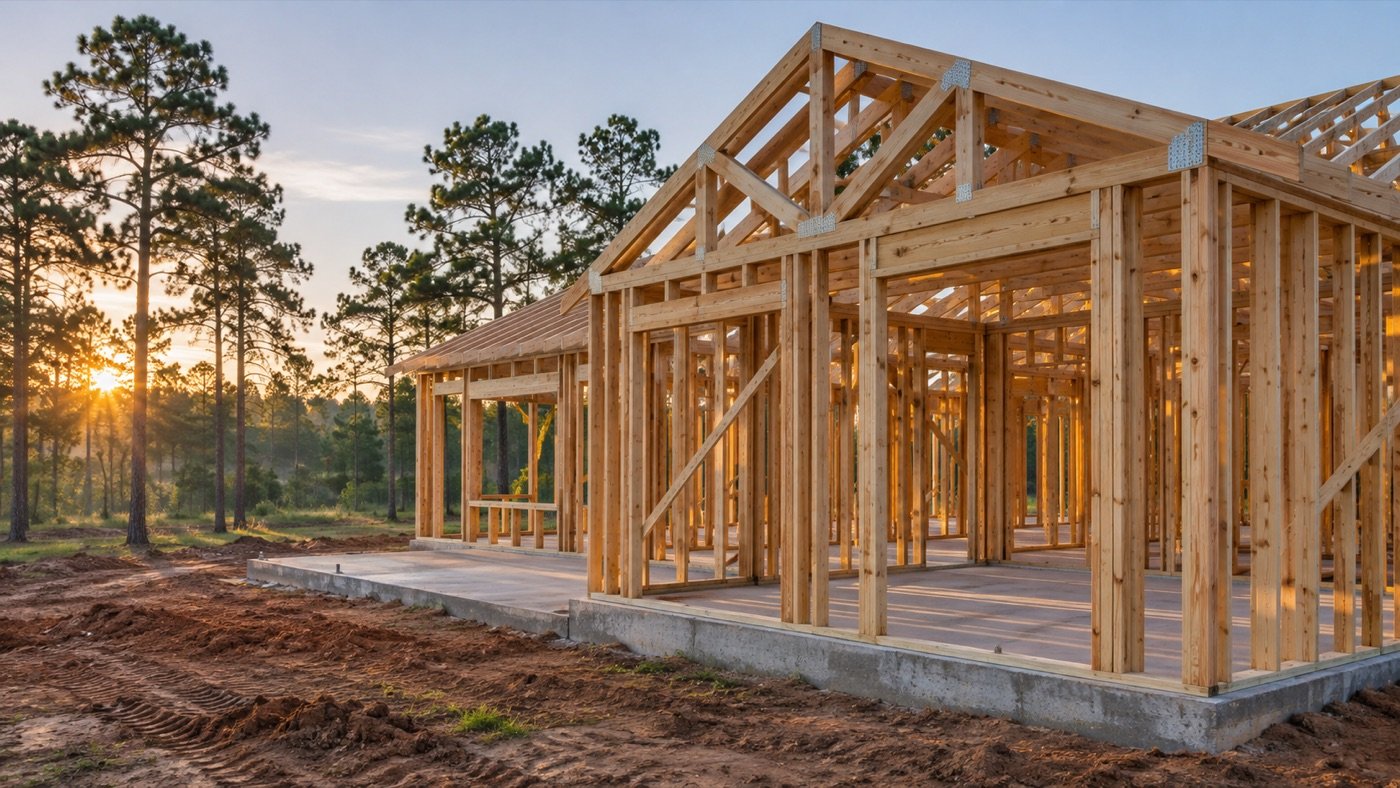
When you sell your home first, your available proceeds can be clearer before you close on the next property. The trade-off is where you’ll live if the new home isn’t ready. Price a temporary rental, storage, and a second move before deciding this option is too inconvenient.
Request a seller net estimate rather than using your expected sale price as your down-payment budget. Your mortgage payoff and transaction expenses reduce what you receive. Ask for more than one scenario so the plan still works if the negotiated price is lower than your initial target.
Then decide how long you can tolerate temporary housing. A month-to-month arrangement can sound flexible, but ask about availability, deposits, pets, notice requirements, and extension pricing before counting on it. The backup should be something you can realistically book, not a vague idea you hope to solve later.
Buy first if your lender and cash reserves support it
Buying first can let you move once, then prepare the old home for sale. It also puts the carrying risk on you. Ask your lender whether you qualify with the existing housing obligation and what funds you can actually use for the purchase.
Bridge financing or home-equity borrowing may be options for some borrowers, but availability, qualification, fees, and repayment terms vary. Chase’s guide to buying while selling describes several financing approaches. Have a lender evaluate your situation before treating any of them as available money.
Compare the full carrying cost: both housing payments, insurance, utilities, maintenance, and the possibility that the current home takes longer to sell. Equity on paper isn’t the same as cash you can access today. Our guide to using home equity for your next house can help you prepare that lender conversation.
Use a contingency only if it is actually accepted
If you need the sale to happen first, say so before committing to the purchase. TREC provides an Addendum for Sale of Other Property by Buyer for use with its contracts. A builder using a different contract may have different provisions or may not agree to a sale contingency.
Ask what must happen by each deadline: listing, getting under contract, closing, or receiving proceeds. Don’t assume a financing provision automatically protects every risk associated with selling your current home. Your agent can help coordinate the questions; have an attorney explain provisions or termination rights you don’t understand.
Plan when to sell your home around construction
A builder’s estimated completion date is a planning input. Your signed agreement controls its meaning and any remedies if construction is late. Ask what milestones remain and how often the builder will provide updates before you connect that estimate to your sale closing.
An inventory home that is nearly finished and a home at the foundation stage call for different buffers. Don’t use a neighbor’s construction timeline as your calendar. Ask about the property you’re buying and the steps still required before it can close.
When you’re ready to list, build a calendar that includes preparation, marketing, the buyer’s contractual deadlines, the proposed sale closing, funding, the purchase closing, and possession. Mark which dates are confirmed and which are still estimates. That distinction makes the weak links visible.

Budget for the dates missing each other
Consider an illustrative gap budget: $2,500 for temporary housing, $400 for storage, and $1,500 for an additional move total $4,400. These are hypothetical planning figures, not Conroe price quotes. Replace them with actual quotes that fit your household and expected stay.
Now compare that amount with a realistic carrying-cost scenario if you buy first. If either option would drain the emergency fund you need after closing, adjust the plan before making commitments. A larger home shouldn’t leave you unable to absorb the first unexpected expense.
Also separate a calendar gap from a funding gap. Ask both title companies and the lender how sale proceeds will be verified and transferred for the purchase. Same-day appointments don’t guarantee the first transaction will fund in time for the second. Ask what happens if a wire, loan condition, or document holds things up.
Consider a negotiated leaseback for a short gap
A buyer may agree to let you remain in the sold home temporarily after closing, but that arrangement requires agreement and appropriate documentation. The TREC Seller’s Temporary Residential Lease is intended for seller occupancy of no more than 90 days after closing. That form limit doesn’t mean a buyer’s lender will permit the same occupancy period.
Have the parties address the move-out date, rent, deposit, utilities, insurance, and what happens if you stay too long. The buyer needs to confirm its loan and occupancy requirements, and you need to discuss coverage with your insurer. Don’t rely on a handshake or assume an extension will be available.
A leaseback can bridge a defined gap; it can’t turn an uncertain construction schedule into a guaranteed completion date. Keep a second housing option ready if the builder’s updated timeline extends beyond the agreed possession period.
Sell your home with a backup moving plan
Once the old house is under contract, pressure to finish the next transaction can build quickly. Preserve time for your inspection, orientation walk, and review of unresolved items. Read our new construction inspection guide before you let a moving reservation dictate the checks you skip.
Review the purchase agreement early, too. Our builder-contract guide for Montgomery buyers outlines questions to bring to the table. Keep legal interpretation with your attorney and loan approval with your lender while your agent coordinates the moving pieces.
Before you commit, make sure you can answer four questions: What money must come from the sale? What deadlines can you meet? Where will you stay if construction slips? Who needs to know immediately when a date changes? If one answer is missing, resolve it before the plan becomes harder to change.
Frequently Asked Questions
Work out your financing and sale-dependency first. The right order depends on whether you need sale proceeds, whether the builder accepts a contingency, and how much housing overlap you can afford.
It may be possible, but it requires lender and title-company coordination. Have a backup for delayed funding or possession rather than assuming two appointments guarantee a seamless move.
Only if the buyer agrees and the arrangement meets the applicable contract, loan, and insurance requirements. Put the terms in a written lease and plan to leave by the agreed date.
Discuss selling first, changing the purchase timeline, or qualifying without the sale with your agent and lender. Don’t sign on the assumption that you can add protection later.
The best timeline is the one you can afford when something changes. If you’re moving up in North Houston, I can help map the sale and purchase questions before you commit to dates. If your move also includes a new area, grab my free North Houston Relocation Guide as you compare your options.
About Dr. Allie Grodzki
Dr. Allie Grodzki is a REALTOR® with REAL Broker LLC, specializing in new construction and master-planned communities across Conroe, The Woodlands, Willis, Montgomery, and the greater North Houston area. She works with families relocating to Texas from out of state, as well as homeowners ready to move into a bigger or better-suited home, helping clients navigate one of the biggest decisions of their lives with clarity and confidence.