
What happens if your builder delays closing on a new construction home in Conroe, TX?
If your builder pushes your closing date, your contract usually stays in place. However, your rate lock may expire before the new date. Your lender may charge a fee to extend the lock. Who pays depends on the cause of the delay and your written agreements. Get the new date in writing, ask your lender what an extension costs, and ask the builder in writing whether they’ll cover it.
By Dr. Allie Grodzki, REALTOR® | November 2, 2026
You picked the lot, the floor plan, and the finishes. You locked your rate. Then the email arrives: “Your estimated completion date has moved.” Now you’re wondering whether your rate is safe, whether your deposit is at risk, and whether your move-out date still works.
This is one of the most common stress points I see with new construction buyers in Conroe, Montgomery, Willis, and Magnolia. You can plan for a delay by protecting three things: your rate, your deposit, and your housing plan.
Why new construction closings slip
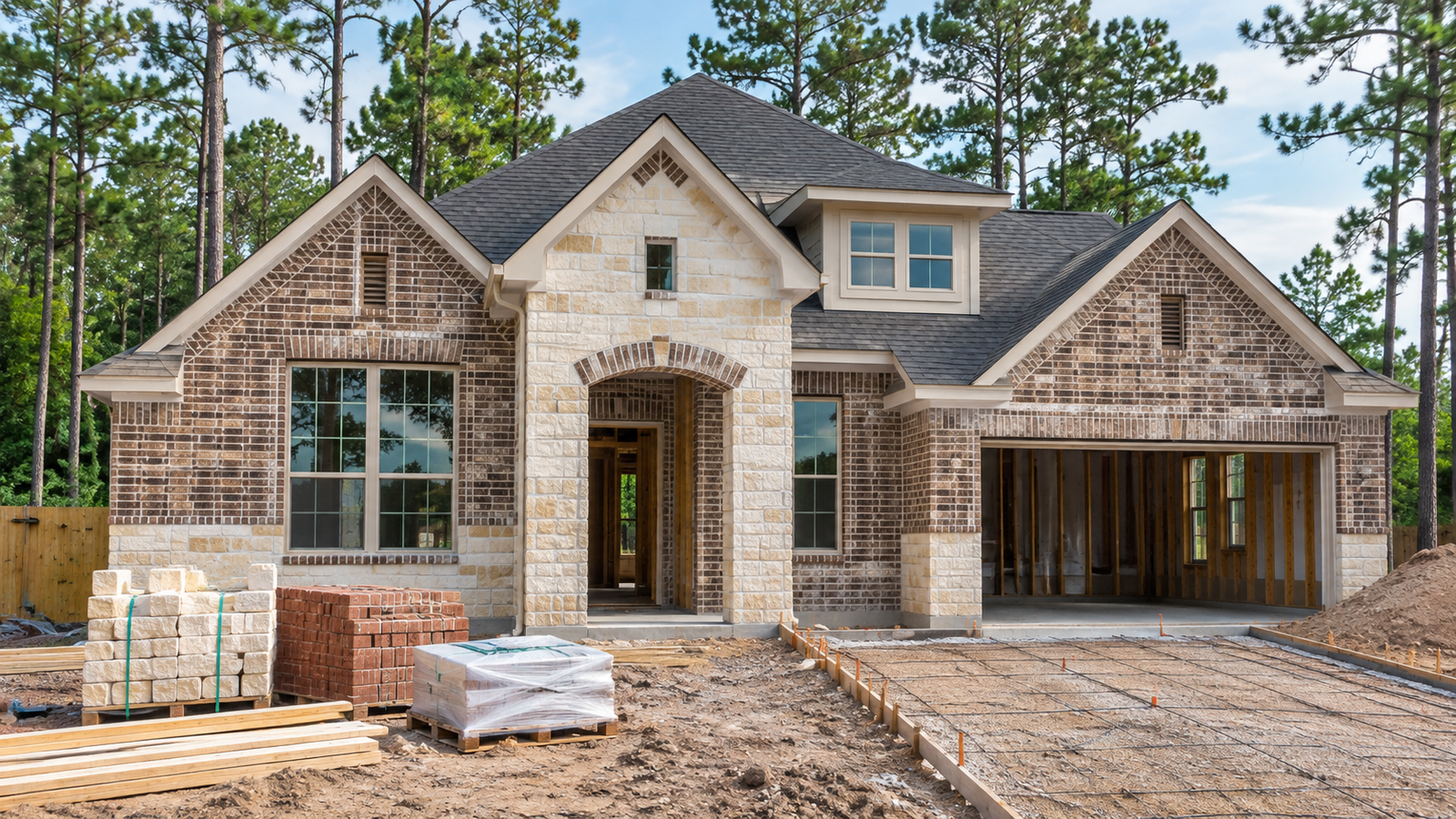
Builders often give an estimated closing date while they finish the home. Check your contract to see what that date means. Weather, missing materials, and crew schedules can push the date back. Utility hookups, local inspections, and final repairs can also take longer than planned. Most of these are routine, but any of them can push you past your lock.
So read the builder contract’s completion terms before you sign. Our Montgomery, TX builder-contract guide walks through the terms to check. Pay attention to whether the contract uses an “estimated” date, whether there’s an outside date, and what happens if the home isn’t finished by then. Builders in Texas often use their own attorney-prepared contracts rather than the standard TREC forms, so the delay terms vary from builder to builder. Don’t assume yours matches a friend’s.
Protect your rate first
Your rate lock has an expiration date, and a delayed closing can land after it. What happens next depends on your lender and your loan, so ask these questions before you ever need the answers:
- How long is my lock, and when exactly does it expire? Many buyers lock too early and run out of runway.
- What does an extension cost? Lenders commonly price extensions in short increments, often a fraction of a percent of the loan amount per stretch of time. Your lender’s number is the only one that counts, so get it in writing.
- Does a builder-caused delay change the fee? Some lenders waive or reduce fees when the delay isn’t the borrower’s fault. Others don’t. Ask before you lock.
- Do I have a float-down option? If rates drop, a float-down can let you capture the lower rate, usually for a fee and with conditions.
- Is an extended lock available for new construction? Some lenders offer longer lock periods built for homes that aren’t finished yet, usually at a higher cost.
If a builder incentive is tied to using their preferred lender, ask whether the incentive and the lock protection survive a delay. We covered that decision in our recent post on whether to use the builder’s preferred lender. And if your incentive is a temporary rate buydown, make sure you understand how it works first. Here’s our plain-English guide to mortgage buydowns.

Protect your deposit and your timeline
Your signed contract controls your earnest money and any option fee. Read those terms before you decide what to do. First, check the completion date and any final deadline in your contract. Next, look for rights to end the contract because of a delay. Then check who keeps the deposit if either side ends the deal. Ask your agent to help you find the relevant terms. If their meaning is unclear, ask a real estate attorney before you risk your deposit. I’m not an attorney, and this is general information rather than legal advice.
Then plan for a gap. If your lease ends or your current home is already sold, a three-week slip can become a real problem. Start by asking about a short lease extension or short-term rental. Also ask the builder about temporary housing. If you’re selling, discuss a written leaseback with your buyer. If you’re coordinating a sale and a purchase together, our recent post on timing the sale of your home with a new construction purchase goes deeper.
Here’s the short version of what I’d do the day you learn about a delay:
- Ask the builder to put the new estimated date and the reason in writing.
- Send it to your lender and ask for the exact extension cost and deadline.
- Ask the builder, in writing, whether they’ll contribute to extension costs.
- Check your housing situation and book any bridge solution right away.
- Keep every email. A clean paper trail protects you.
Don’t skip the quality steps because you’re frustrated
After a long delay, you may want to take the keys and move on. Don’t rush the checks that protect you. Review the orientation walk process so you know what to look for, and read why an independent inspection matters on new construction. Ask what work remains before you close. Don’t let a moving deadline rush you past problems you can still address.
If you’re still comparing communities and builders, you can browse our top new construction communities in Montgomery County and ask each builder how they handle completion dates before you sign anything.
Frequently Asked Questions
Can my builder delay my closing in Texas?
Often yes, because many builder contracts treat the completion date as an estimate. The contract may include an outside date or remedies if the home runs very late, so read those clauses before you sign. Terms vary by builder.
Who pays for a rate lock extension when the builder is late?
Your lender’s terms and the builder’s written commitments determine who pays. Some lenders waive or reduce the fee for delays outside your control, and some builders offer to contribute. Ask both in writing as soon as you know about the delay.
Should I lock my rate before the home is finished?
It depends on your timeline and your tolerance for rate movement. Locking too early can mean paying for extensions, while locking too late leaves you exposed to rate changes. Talk to your lender about lock length, extended-lock options, and float-down terms for new construction.
Do I lose my earnest money if closing is delayed?
Not automatically. What happens to your deposit depends on your contract’s terms and who terminates. Find the termination and default terms with your agent. Then ask an attorney about your rights before you walk away.
What if my lease ends before the home is ready?
Ask your landlord about a month-to-month extension as soon as you hear about a delay. Meanwhile, check short-term rentals as a backup. Starting early gives you more options and lower costs.
A delayed closing can disrupt your move. Still, acting early gives you more time to protect your rate, deposit, and housing plan. Your exact exposure depends on your contract and lender, and that’s where I come in. I walk my clients through these details before they sign, so a moved date doesn’t turn into a surprise bill.
If you’re relocating to North Houston and want help comparing communities, builders, and timelines, grab my free North Houston Relocation Guide. It covers top neighborhoods by city, local recommendations, and why so many people are choosing this part of Texas. Prefer to talk it through? Reach out anytime.
About Dr. Allie Grodzki, REALTOR®
Dr. Allie Grodzki is a REALTOR® with REAL Broker LLC, specializing in new construction and master-planned communities across Conroe, The Woodlands, Willis, Montgomery, and the greater North Houston area. She works with families relocating to Texas from out of state, as well as homeowners ready to move into a bigger or better-suited home, helping clients navigate one of the biggest decisions of their lives with clarity and confidence.