
Most people assume that buying a home remotely means taking a big risk. It doesn’t. What it means is that you need the right person on the ground — someone who’s actually going to show up and do the work before you ever book a flight.
I want to tell you about a preview I did recently for a relocation client who couldn’t fly out yet. It was my birthday. I was six weeks postpartum. I had my baby strapped to my chest. And I still went — because walking homes for people who can’t be there is genuinely one of my favorite parts of this job.
Here’s exactly what I was doing in that house, and what your agent should be doing every single time they preview a home for you remotely.

1. Check Whether the Floor Plan Actually Works in Real Life
A floor plan looks great on paper until you’re actually standing in it. Dimensions on a drawing don’t tell you whether you can get from the garage to the kitchen without walking through the living room. They don’t tell you if the primary suite is genuinely separated from the kids’ rooms or just labeled that way. They don’t show you if the layout makes sense for how a real family moves through a house during a regular morning.
Photos and virtual tours almost never show this accurately. An agent walking the home in person can feel the flow in a way no camera can capture. That’s a big part of what I’m doing when I preview for a remote client.
2. Check the Natural Light — at the Right Time of Day
Photos are almost always taken mid-morning on a bright day with every light in the house on. What I’m checking is what the home actually looks like under normal conditions — north-facing rooms that feel dark by 3pm, windows that get blocked by the neighbor’s fence, a living room that’s beautiful in June but dim in December.
Light affects how a home feels more than almost anything else. It’s one of the first things people notice when they move in and realize something feels off. A good agent previewing for you should be able to tell you specifically which rooms feel bright, which feel cave-like, and what time of day makes the biggest difference.
3. Notice What the Camera Never Shows
There’s a whole category of things that don’t make it into listing photos — and not always because someone is hiding something. Sometimes the photographer just didn’t capture it. Sometimes it genuinely wasn’t noticeable in a still image.
I’m looking for things like: ceiling texture that photographs fine but looks dated in person, flooring transitions that feel abrupt, closets that are technically “walk-in” but barely fit two people, a kitchen that looks open on camera but feels cramped when you’re actually standing at the island. These details matter for daily life. Your agent should be narrating all of this on video so you can see it through their eyes.
4. Walk the Lot and the Street — Not Just the House
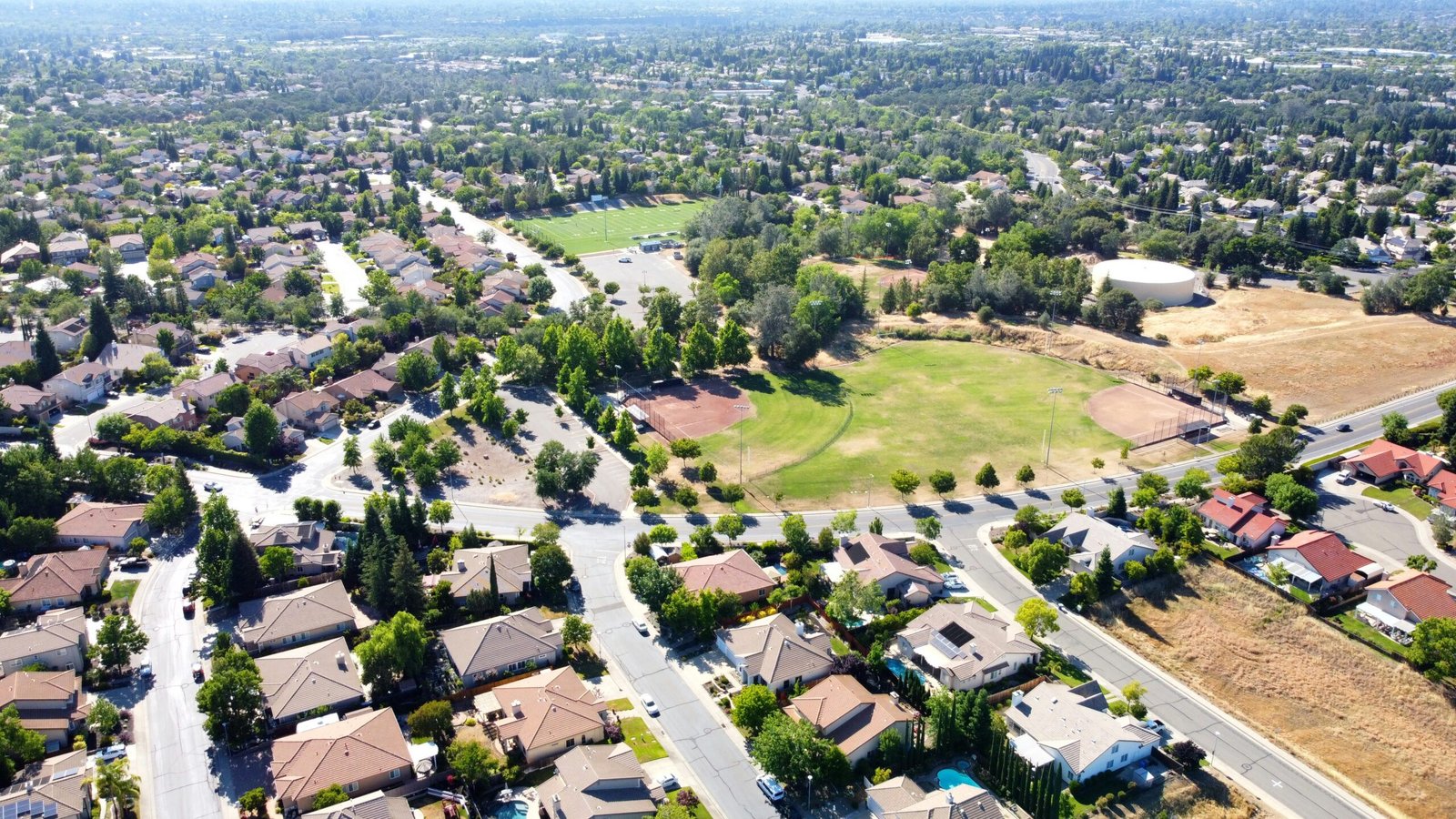
Where a home sits within a community matters as much as what’s inside it. I’m checking what’s behind the lot, what’s beside it, how much space there is between this house and the neighbor’s, and whether the backyard is actually usable or just technically a yard. A “standard lot” in one section of a community can feel totally different from a standard lot in another section.
I’m also walking the street. Is it a through street or a cul-de-sac? What’s the traffic like? What’s the feel of the immediate block? These are things that shape your daily experience in that home and are nearly impossible to assess from photos or Google Maps.
If you’re buying in a master-planned community, this is especially important. I’ve written about what to look for in those settings here: 8 Best Master-Planned Communities in North Houston.
5. Ask the Questions Buyers Forget to Ask
This is where having a dedicated buyer’s agent — not just someone who’s doing you a favor by stopping by — really pays off. There are questions that need to get asked at every preview that most buyers don’t think to ask until they’re already under contract.
Things like: What are the HOA rules on fences, pools, and parking? When do the builder incentives expire, and are they tied to using the builder’s lender? What does the warranty actually cover and for how long? What’s included in the base price versus what’s an upgrade? What MUD or PID is this property in, and what does that mean for your tax rate?
These aren’t glamorous questions. But they matter significantly more than the backsplash tile. I wrote a whole post specifically about MUD and PID taxes because so many buyers are caught off guard by them: What to Expect When Buying in a MUD or PID Community in Montgomery County, TX.
If you’re comparing new construction options specifically, this post walks through the key contract questions to ask before you sign anything: 5 Things to Know Before You Sign a Builder Contract in Montgomery, TX.
6. Give You an Honest Take — Not a Sales Pitch
This is the most important one. When I preview a home for a relocation client, I’m not trying to get them excited about it. I’m trying to give them an accurate picture so they can make a good decision. Sometimes that means telling them it’s great and they should move fast. Sometimes it means telling them to pass.
I’ve talked clients out of homes after a preview. I’ve also told clients to trust what they saw on video even though they were nervous about not being there in person. In both cases, my job is to tell you what I actually see — not what you want to hear and not what gets me a commission faster.
That’s the only version of this service that’s actually useful to you.
What to Look for in a Remote Buyer’s Agent
Not every agent is comfortable doing this kind of work, and not every agent does it well. If you’re relocating to the Conroe or North Houston area and trying to figure out whether you can buy without flying out first, here’s what I’d look for:
You want someone who does video walkthroughs — not just FaceTime from the driveway. Someone who can speak to the neighborhood, not just the house. Someone who understands new construction contracts if you’re going that route, because they are very different from resale. And someone who’s actually done this before with out-of-state clients — not just theoretically willing to try.
I work with relocation buyers regularly, and because I’m with REAL Broker LLC — which operates in all 50 states — I can also help coordinate on your selling side if you need to move a home before you get here. That continuity across both transactions makes a big difference for clients who are trying to manage a move from a distance.
If you’re trying to figure out the North Houston area before you commit to anything, my North Houston Relocation Guide is the place to start — it covers the things you genuinely can’t figure out from a Google search. I also wrote a dedicated post for out-of-state buyers here: How to Buy a Home in Conroe, TX When You’re Still Out of State.
And if you’re wondering what the market looks like right now before you make any decisions: 2026 Conroe Real Estate Market Update: What Buyers and Sellers Need to Know.
You Don’t Have to Be There to Make a Smart Move
Buying remotely isn’t a compromise — it’s a strategy. Plenty of my clients have purchased homes in the Conroe and North Houston area without ever stepping inside until closing day, and they’ve been thrilled with what they found. What made the difference wasn’t luck. It was having someone on the ground who treated their money like it mattered.
— Allie
Relocating to North Houston and need someone on the ground? I’d love to be that person for you. Book a call with me here, or call or text me directly at (936) 260-3019 and let’s talk through what you need.